Performance bonds sit at the intersection of trust and risk in commercial projects. Owners want certainty that work will be finished as specified. Contractors want to prove they are reliable without tying up too much capital. Sureties underwrite that promise and step in if something breaks. When liquidated damages are also in the contract, the stakes get even sharper. Get the alignment right and everyone sleeps at night. Get it wrong and one missed deadline can snowball into default notices, claims, and months of friction.
This is a practical guide to how performance bonds actually work, how they interact with liquidated damages, and what experienced owners and contractors do to avoid disputes. I will use straight examples from construction and infrastructure, with notes that translate to manufacturing, technology deliverables, and other project-based work.
What a performance bond really guarantees
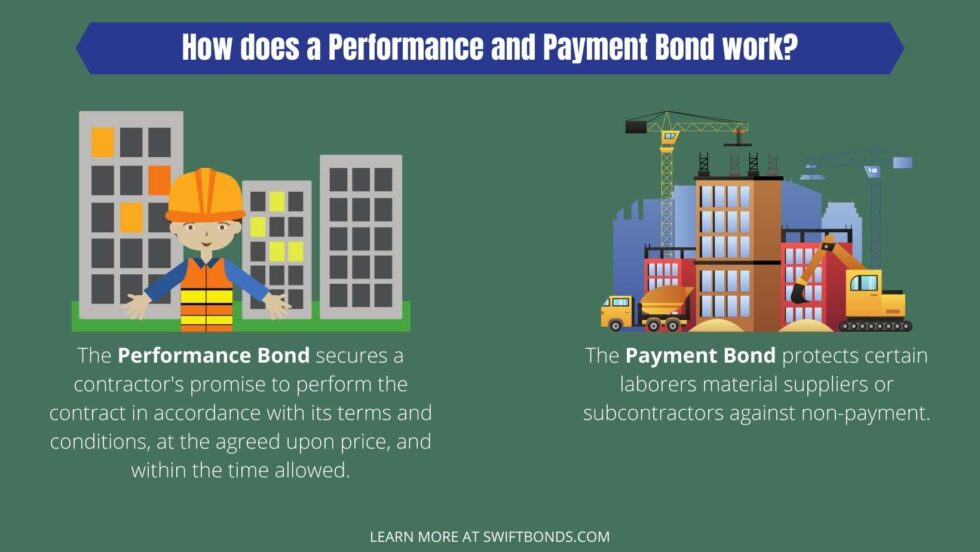
A performance bond is a three-party agreement. The principal, usually the contractor, promises to perform the contract. The obligee, usually the owner, wants assurance that the promise will be kept. The surety, typically an insurance company with a dedicated bonding arm, guarantees performance up to the bond penalty, often 100 percent of the contract price.
Answering the practical version of the question, what is a performance bond? / It is a conditional promise backed by a financially vetted third party that the contractor will complete the job according to the contract, or the surety will cover the cost to do so, subject to the bond terms. The surety does not insure the contractor. It underwrites the contractor’s ability to perform, then stands behind them for a fee. If the surety pays a claim, it will pursue the contractor for reimbursement under the indemnity agreement the contractor and often its owners signed.
In most public works and large private builds, performance bonds are required. Typical face amounts are 100 percent of the contract value, although 50 percent bonds appear on smaller or lower risk scopes. A matching payment bond is customary to protect subcontractors and suppliers, since the surety wants job stability and lien-free completion.
Two features of performance bonds surprise newcomers:
- They are triggered by contractor default, not by any loss to the owner. A late schedule or a rough patch does not equal default. The surety’s obligation is capped by the bond penalty, which can be eroded by prior payouts like extended general conditions or price premiums for replacement contractors.
The bond is therefore a last-resort safety net with structured steps to reach it, not a piggy bank to fix every hiccup or fund owner changes.
Default and the path to a bond claim
Sureties live in the world of process. A valid performance bond claim depends as much on following the contract as on the merits of the complaint. Most standard forms, like AIA A312 or ConsensusDocs bonds, tie the bond to the underlying contract but impose specific preconditions.
Owners who have actually had sureties mobilize quickly tend to do four things right. They document breaches, respect cure periods, declare default cleanly, and give the surety options. Skipping steps or mixing messages is the fastest way to slow down a recovery.
Here is the typical sequence when work goes sideways:
- The owner identifies a material breach, for example persistent schedule slippage beyond float, defective work that fails testing, or abandonment. The owner issues a notice to cure as required by the contract, often with 7 to 14 days to correct or propose a credible recovery plan. The notice should be fact specific and reference the contract sections at issue. If cure fails, the owner issues a declaration of default and terminates, or threatens termination in precise language, copying the surety with all backup. Some bonds require a 3 to 7 day notice before termination, so timing matters. The surety investigates. If it accepts liability, it chooses a remedy under the bond.
Those remedies generally include financing the existing contractor, tendering a completion contractor, taking over and completing the work itself through an agent, or paying the owner up to the bond penalty. Financing the existing contractor is common when the job is salvageable and replacing the team would burn more time and money than it saves. Tendering a completion contractor is common when the failing contractor has collapsed, cannot regain momentum, or the relationship has irreparably broken down.
If the owner terminates improperly, refuses reasonable cooperation, or prevents completion options, the surety can deny the claim or limit responsibility. That is why seasoned owners maintain calm correspondence, track facts, and avoid public ultimatums until they have met preconditions.
Liquidated damages, demystified
Liquidated damages, usually called LDs, are pre-agreed amounts paid by the contractor to the owner for specific breaches, typically late completion. They are not a penalty. They are a reasonable estimate, made at the time of contract formation, of the owner’s anticipated cost if the project finishes late or a key milestone slips. Courts tend to enforce LDs if they reflect a genuine forecast of harm that would be hard to measure later, such as lost rent, extended financing costs, or public disruption on a road project.
Two practical points frame most LD debates:
- The amount must be plausible at bid time. If an office building will rent for 200,000 dollars per month, LDs of 25,000 to 60,000 dollars per day probably will not survive scrutiny. If extended general conditions run 12,000 dollars per day, an LD rate in that range is defensible. The events that trigger LDs should be clear. Tying LDs to substantial completion with defined criteria prevents fights over punch lists, occupancy, and commissioning.
LDs give owners schedule certainty without hiring a forensic economist after the fact. For contractors, LDs convert a potentially unlimited exposure to a defined daily rate. That trade often pencils, provided the schedule and float are realistic and the contractor controls key dependencies.
How LDs interact with performance bonds
LDs and performance bonds meet in two places, entitlement and quantum. Entitlement is whether LDs are owed at all. Quantum is how much the surety may have to pay.
Entitlement turns on contract terms and the facts. If delays are excusable or compensable, LDs do not accrue, or the dates shift. Owner-caused delay, differing site conditions, force majeure events like severe weather beyond averages, late approvals, and scope growth can push completion dates. The contractor must give timely notice and preserve rights, or those defenses can be waived. Sureties pay close attention to notice provisions, because they affect the extent of default and the calculation of damages. Silence from the contractor when an RFI languishes or a permit stalls has real cost later.
Quantum sits under the bond cap. Many bonds define damages that the surety may be responsible for as the cost to complete and correct defective work plus certain time-related costs, all subject to the penalty limit. Whether LDs fall inside that scope depends on the bond form and the jurisdiction. Under standard AIA A312 language, once default is established and the surety accepts liability, the surety is generally on the hook for the reasonable cost of completion and associated delay damages that flow from completion, often including LDs to the extent they are caused by the default and not by owner acts. If LDs accrued before default, and the contractor is still working under financing, the surety may negotiate to cap or offset them as part of the takeover or tender agreement.
A real-world example clarifies this. A 25 million dollar school project has a 100 percent performance bond and LDs of 7,500 dollars per day after the substantial completion date. The contractor falls 90 days behind, partly due to unforeseen asbestos and partly due to staffing issues. The contractor provides notice on asbestos, gains 45 days of relief, then continues to slip. After cure notices and a default declaration, the surety tenders a replacement contractor. The owner finishes 30 days late against the adjusted schedule. LDs apply to those 30 days, roughly 225,000 dollars. The surety’s total exposure includes the cost premium to complete plus the 225,000 dollars, all limited by the 25 million bond. If the completion premium is 1.2 million, the surety sees total exposure of about 1.425 million and will seek to recover that from the principal later.
Contrast that with a case where the owner’s late design decisions consumed all float. LDs often collapse once the critical path analysis assigns delay to the owner. The surety then resists any LD portion of the claim and focuses on completion costs only.
Common pitfalls that trigger disputes
Most fights do not start with bad faith. They start with misaligned documents and weak project controls. I have seen more claims from ambiguous specs and unmanaged interfaces than from outright incompetence. Four patterns repeat:
- LDs tied to vague milestones. If substantial completion is not defined, the date is a moving target. Clarify whether it means code-compliant occupancy, punch-list complete, or system commissioning accepted. Bonds not aligned with the contract. If the bond form references an outdated contract version, scope gaps appear. The parties then argue whether the surety guaranteed later change order work or only the base bid. Change order snowdrifts. When scope expands piecemeal and the schedule is never formally extended, LDs start to accrue on an obsolete date. Courts often punish sloppy administration. Termination without a clean record. Owners that jump straight to termination, skip cure, or issue contradictory letters hand the surety defenses it can use to delay or deny. A careful file with dated notices, logs, and schedule updates shortens the claim.
Pricing and procuring performance bonds
Bond premiums generally range between 0.5 percent and 3 percent of the contract value, skewing lower for large, well-capitalized contractors with a strong surety relationship. Underwriters look at the three C’s, character, capacity, and capital. They review work-in-progress schedules, bank lines, prior claims, management bios, and the contractor’s subcontracting strategy. They care about concentration risk. One 60 percent-of-revenue megaproject can worry a surety more than six medium jobs of the same total size.
Contractors who build solid bonding capacity start early. They work with a surety agent who places them with a carrier that matches their size and market. They keep clean financial statements, ideally CPA-reviewed on a percentage-of-completion basis. And they do not hide bad news. If a job is sliding, a heads-up to the surety combined with a recovery plan preserves trust and keeps financing options available.
Owners who prequalify watch different signals. They check bondability limits, claims history, and the surety’s AM Best rating. If the project will stretch the contractor’s single job or aggregate swiftbonds market trends bonding limit, the owner should ask for a letter from the surety confirming capacity. The cheapest bid is not cheap if the surety balks when pressure arrives.
Drafting contracts that align LDs and bonds
The cleanest jobs start with aligned documents. Three drafting moves pay dividends:
- Define milestones with precision and document how delays will be evaluated. Reference an initial critical path method schedule, mandate monthly updates with narratives, and define what constitutes excusable, compensable, and concurrent delay. If LDs hinge on substantial completion, list the deliverables required for that designation. Tie the performance bond clearly to the contract, including change orders. Use a standard bond form that references “the Contract, as it may be amended or modified.” If the owner plans to issue large changes, consider increasing the bond in parallel rather than leaving it fixed at the base amount. State whether LDs are the owner’s sole remedy for delay or run alongside other recovery. Many owners accept LDs as the exclusive remedy for contractor-caused delay, which gives predictability to both sides. If the owner wants the option to pursue actual damages for certain breaches, say so and carve those out.
In some regions, public sector statutes dictate bond requirements and limit LDs. For example, federal projects in the United States fall under the Miller Act, which mandates bonds for certain contract sizes. State laws and case law shape how LDs are interpreted. Counsel familiar with local precedent should review the language, especially the reasonableness of the LD rate and the triggers.
Managing schedule risk so LDs never hit the ledger
The best LDs are the ones nobody ever pays. That takes discipline from day one. On projects that finish on time despite trouble, I tend to see the same habits:
- A living schedule that gets updated at least monthly, with the critical path recalculated and the narrative explaining changes. Float is treated as a shared project resource, not free time for the contractor to burn. Early identification of long-lead items, permit risks, and third-party dependencies. The owner’s actions are on the schedule, not offstage. If the design team must issue 80 percent drawings by a date, that date is a milestone. Notice and documentation that are brisk, not adversarial. A short RFI aging report and a two-paragraph notice on a threatened delay beats a 30-page novella written after the date has passed. A financial view of time. A superintendent who knows that LDs cost 10,000 dollars per day tends to get creative with resequencing and overtime when the critical path tightens. Owners who understand the contractor’s extended overhead costs make smarter decisions about acceleration requests.
Remember that acceleration to dodge LDs brings trade-offs. Overtime can compress productivity. Stacking trades can hurt quality. If the math says 20 days of LDs would cost 200,000 dollars, and the proposed acceleration costs 500,000 dollars plus rip-and-tear risk, restraint is wise. Conversely, a 5,000 dollar per day LD against a hospital with 30,000 dollars per day revenue at stake may be far too low to drive rational acceleration. Numbers drive judgment.
When default is unavoidable
Despite best efforts, some jobs reach the point where termination and a bond claim are the cleanest path. When you stand on that threshold, slowing down to go fast afterward is critical.
Owners should assemble a termination package that would make sense to a stranger. Include the contract, all change orders, the as-planned and as-updated schedules, cure notices with dates, photos, testing reports, meeting minutes that record nonperformance, and a cost-to-complete analysis. Line up a completion plan with at least one qualified replacement, but leave room for the surety to propose alternatives. Post-termination panic buys are expensive.
Contractors facing default should take stock and seek counsel early. Sometimes the surety will finance the contractor to finish, especially when the alternative is more costly. That conversation goes better with a realistic manpower plan, a credible completion budget, and genuine openness about cash needs. If termination lands, cooperate with the surety’s investigation. The indemnity agreement means hiding assets or stonewalling only makes recovery efforts harsher later.
Sureties appreciate clarity. If the owner’s letter cites “unspecified breaches” and attaches a stack of unindexed PDFs, weeks will pass before anything happens. If the letter cites Section 8.3.1 on schedule obligations, lists missed milestones, encloses updated critical path outputs, and offers access to the site, the surety can move. On a hospital addition where we followed that playbook, the surety tendered a replacement in 12 days. On a highway job with messy notices, it took three months.
Special cases: design-build, EPC, and tech-heavy scopes
The interplay of LDs and bonds changes when the contractor controls design, procurement, and construction under one umbrella. In design-build and EPC contracts, LDs often include tiered buckets: delay LDs, performance LDs tied to throughput or energy output, and availability LDs during early operations. Standard performance bonds usually do not cover long-term performance guarantees, especially those tied to operations. If the owner wants security for those, separate performance securities such as warranties backed by parent-company guarantees, standby letters of credit, or performance LD escrows may be used.
On tech-heavy scopes, defining completion criteria becomes existential. Software integration, commissioning of building systems, and control logic often produce gray zones. I advise explicitly mapping completion tests, witness procedures, and pass-fail metrics. If LDs start at beneficial occupancy, and the access control or life-safety interface is the long pole, you need acceptance tests that are scheduled and binary. The surety relies on those objective measures during any claim.
How owners and contractors can negotiate fair LDs
LDs are often negotiated late in the process, which is a mistake. Rates should flow from the project’s economics, not guesswork and bravado. Good-faith negotiation sounds like this:
- The owner quantifies time-based costs, like financing carry, staff overhead, and expected lost revenue. They show the math and admit uncertainty. The contractor analyzes extended general conditions, subcontract impacts, and realistic acceleration options, and proposes a rate that aligns with risk they can control. Both sides align on milestones and grace periods. A 10-day grace period can de-escalate disputes while maintaining incentive. Caps and concurrency are addressed. Some owners cap LDs at a percentage of the contract, for example 10 percent, and state that LDs do not apply on days where owner-caused delay is concurrent on the critical path.
When LDs are proportionate, contractors price them more fairly and sureties are more comfortable extending capacity. When LDs are punitive or unmoored from the schedule, premiums rise and bids thin out.
Claims, mitigation, and settlement dynamics
If LDs accrue and a claim looms, the final numbers usually bend around three tools: time impact analysis, mitigation evidence, and cost-of-completion reality.
Time impact analysis anchors the dates. Pick a method and stick to it, whether it is windows analysis or as-planned versus as-built with fragnet inserts. Adjust the data, not the conclusion. If the analysis shows 18 days of owner delay and 32 days of contractor delay, negotiate from that split rather than arguing philosophy.
Mitigation evidence narrows the window. If the contractor worked Saturdays at no extra cost to claw back 12 days, or if the owner approved resequencing that recovered 7 days, those facts matter. Courts and sureties reward parties who cut losses.
Cost-of-completion reality caps appetite for war. If the bond penalty is near its limit, the surety will weigh a cash settlement against the risk and cost of takeover. If the owner’s alternative is a winter shutdown and six months of escalation, a partial LD waiver in exchange for faster tender can be smart. Deals that move shovels quickly are rarely pretty on paper, but they often beat righteous stalemates.
Practical takeaways for each party
Two short checklists help anchor day-to-day behavior.
For owners seeking protection without paralysis:
- Align the bond form with the contract, including change orders, and define LD triggers with precision. Maintain a living schedule and keep detailed, dated notices tied to contract sections. Respect cure and default procedures, and invite the surety into the loop early when trouble brews. Quantify LDs from real costs and consider reasonable caps or grace periods. Preserve options by scouting completion contractors before you pull the default trigger.
For contractors protecting margin and reputation:
- Build a relationship with a surety, not just a policy. Share WIP, cash forecasts, and early warnings. Price LD risk by modeling float, long-lead items, and realistic acceleration, not just adding a flat contingency. Keep contemporaneous schedule updates and give timely, contract-compliant notices on impacts. When slippage starts, propose a recovery plan with manpower curves and resequencing, not just promises. If default is threatened, organize documents fast and consider asking the surety to finance completion under tight oversight.
Final word
Performance bonds and liquidated damages are not enemies. They are complementary tools that organize risk around time and completion. Used with discipline, they speed decisions, discourage brinkmanship, and keep projects moving when stress rises. The bond gives owners a backstop that is real enough to matter but structured enough to prevent impulsive terminations. LDs give everyone a common clock and a price of time.
The craft lies in alignment. Write contracts that say exactly what you mean. Update schedules so they describe the job you are really building, not the one you drew months ago. Send notices that a skeptical outsider would find persuasive. When you do those things, sureties engage, LDs become a last detail to balance rather than a cudgel, and even hard projects find their way to a finish line everyone can recognize.